ADVANCING EQUITY, ACCESS, AND OPPORTUNITY FOR SOUTH ASIAN STORYTELLING IN CANADA
The South Asian Screen Office of Canada (SASO Canada) exists to advance equity, access, and sustained participation of South Asian professionals across Canada’s screen industries by serving as a research-informed, consultative, and connector body between creators, institutions, and decision-makers. SASO works to ensure South Asian voices are seen, heard, and structurally supported — not through advocacy alone, but through data, dialogue, and long-term institutional engagement. SASO Canada was seeded through Beyond the Checkbox, a national roundtable at the IFFSA Film Summit 2025 that brought together preeminent South Asian screen practitioners, industry leaders, and policymakers to move beyond generic labels, affirm a distinct South Asian Canadian voice, and address systemic barriers and structural inequities across the screen ecosystem.
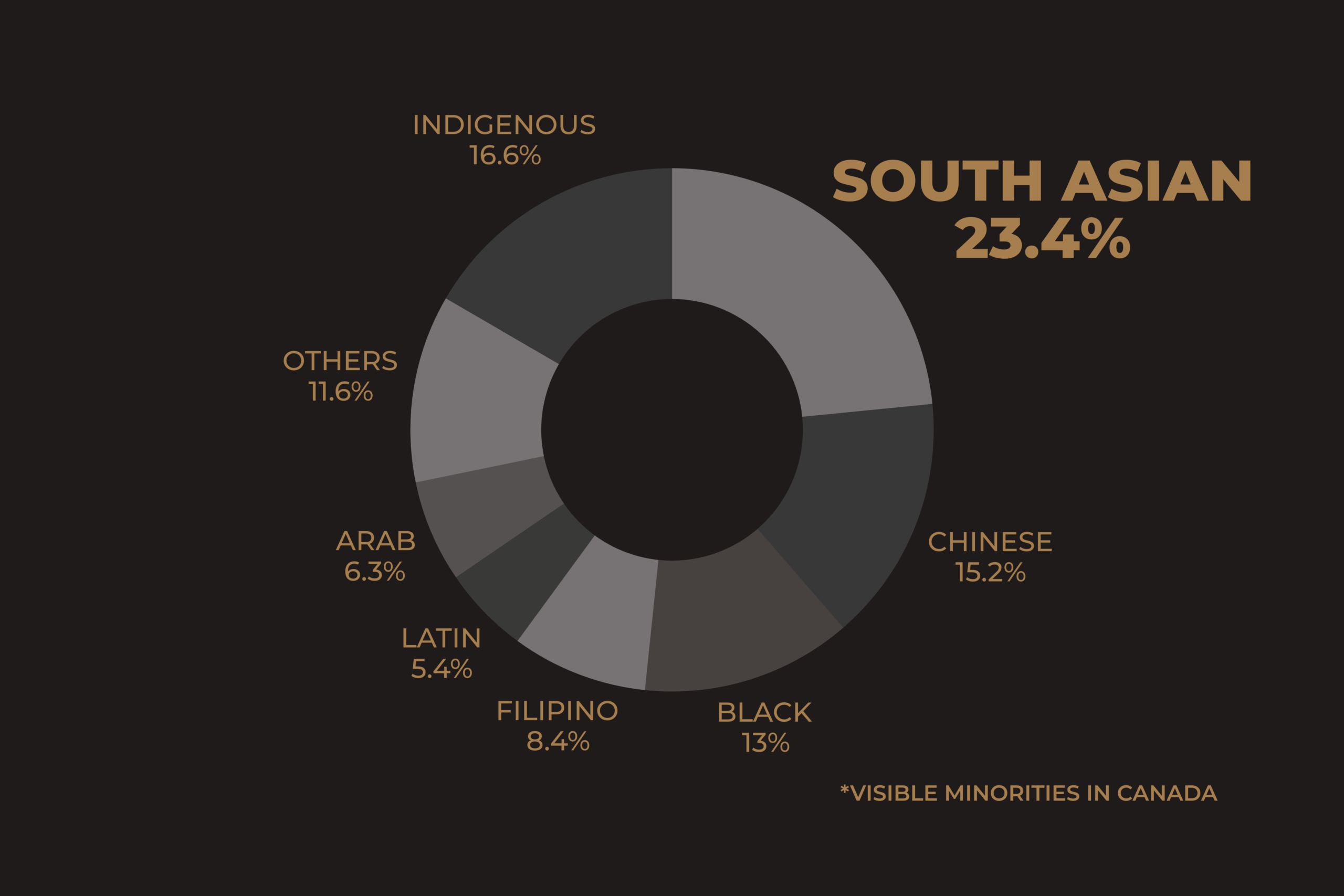

JOIN US AT THE LAUNCH AND HELP SHAPE SOUTH ASIAN SCREEN REPRESENTATION
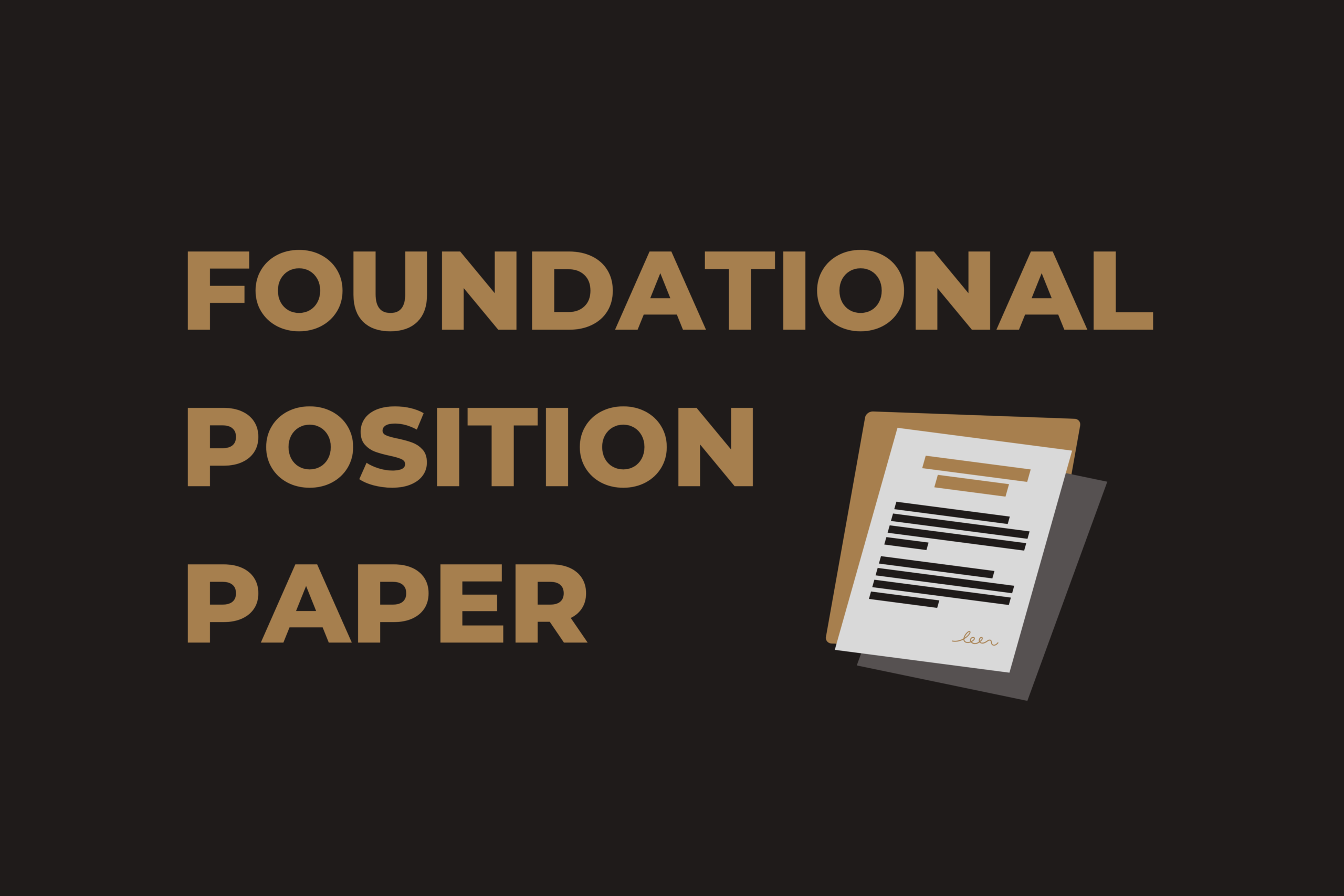
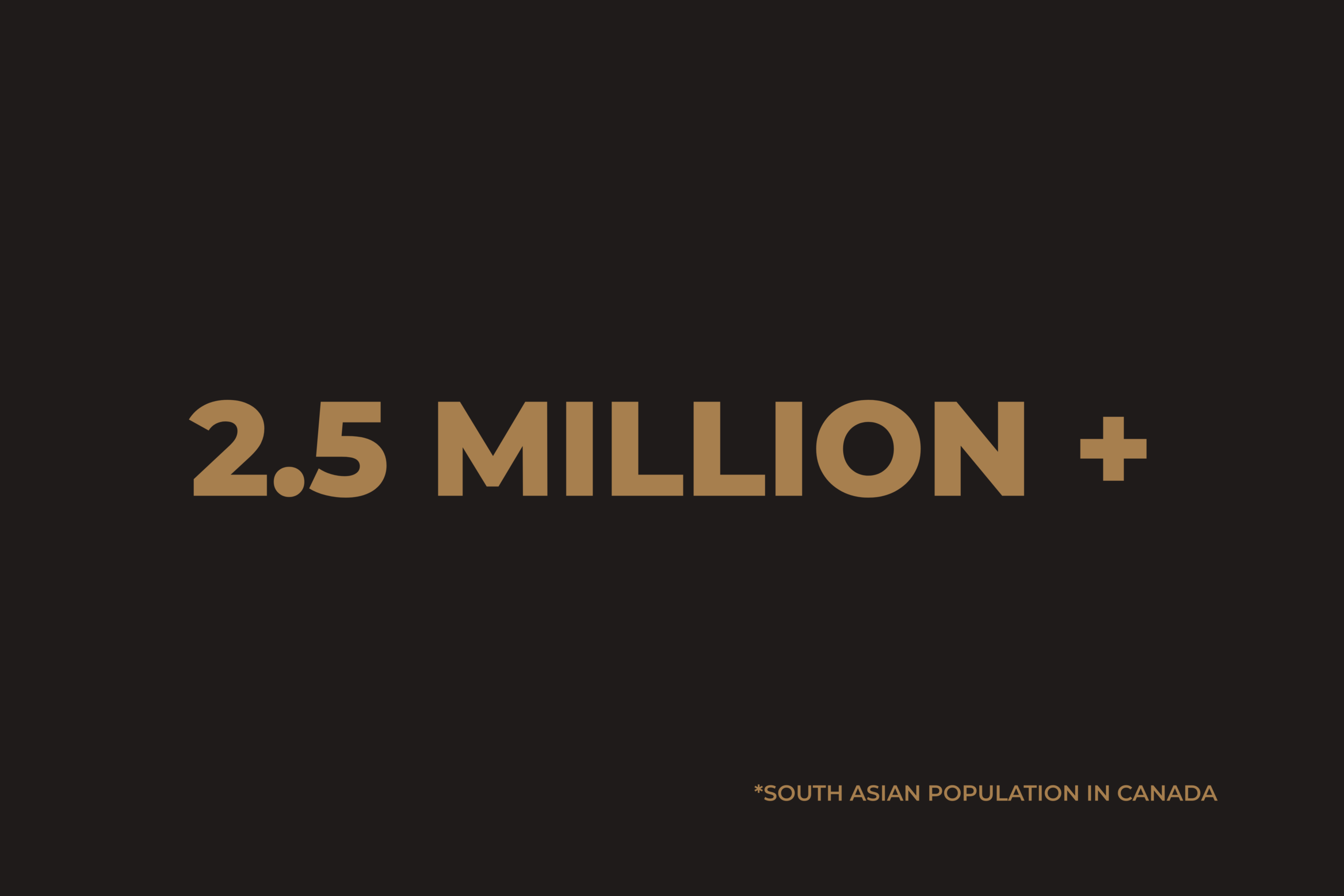
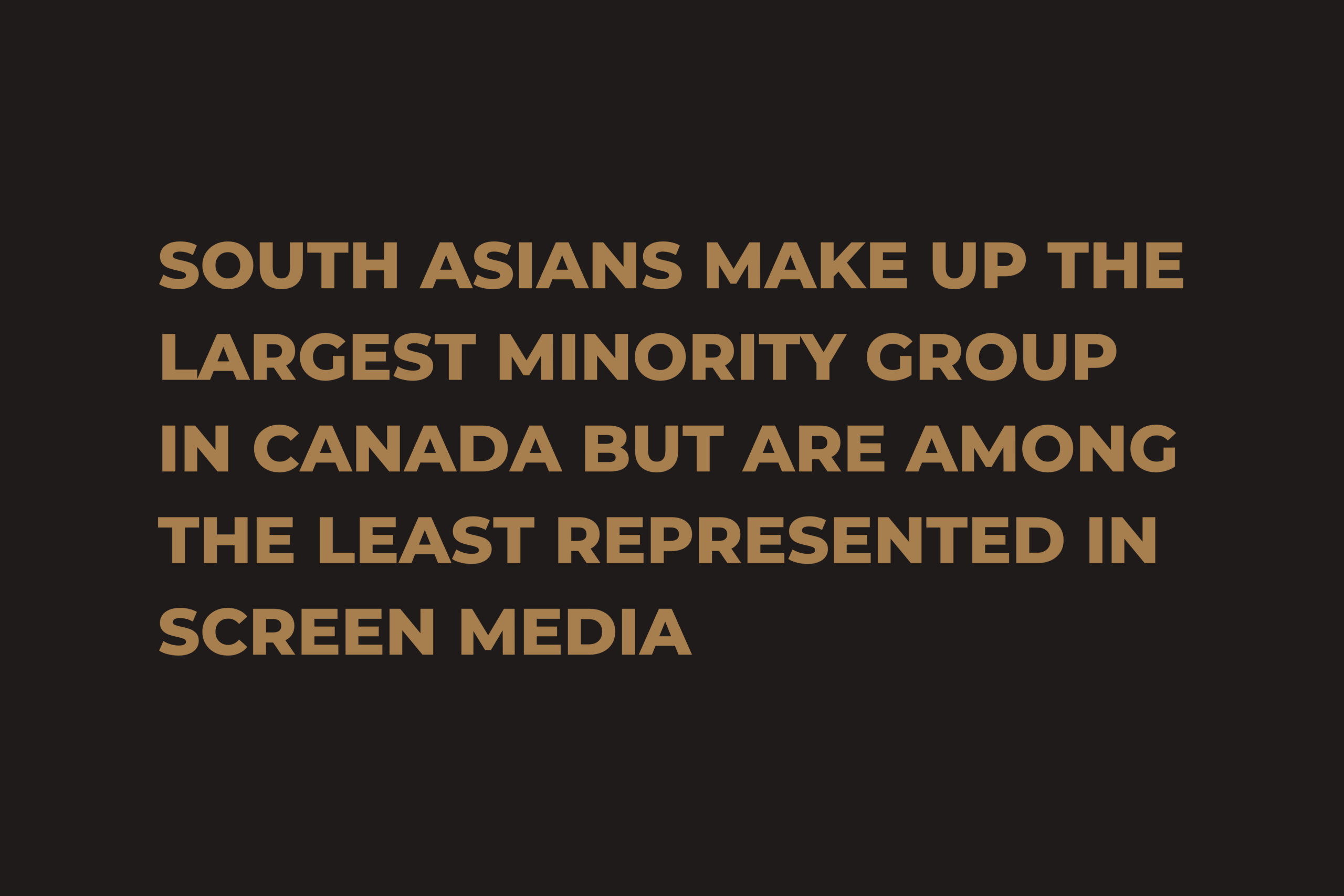
FRAMING THE LANDSCAPE: SOUTH ASIAN REPRESENTATION IN CANADA'S SCREEN INDUSTRIES

CONNECTING VOICES ACROSS THE NATION: SHAPING THE FUTURE OF SOUTH ASIAN STORYTELLING
SPACE FOR CRITICAL REFLECTION, SHARED ACCOUNTABILITY, AND COLLECTIVE IMAGINING
UNDENIABLY SOUTH ASIAN. BEYOND GENERIC LABELS.
For the purposes of research, consultation, and sector engagement, the South Asian Screen Office of Canada (SASO Canada) defines South Asian Canadian as individuals and communities with ancestral, cultural, racial, and diasporic roots in South Asia and its extended global diaspora, including but not limited to:
India, Pakistan, Bangladesh, Sri Lanka, Nepal, Bhutan, Afghanistan, and the Maldives, as well as long-established South Asian diaspora communities originating from these regions and historically rooted in parts of the Caribbean, Africa, the Pacific, and Southeast Asia, including Guyana, Trinidad & Tobago, Suriname, Fiji, Mauritius, South Africa, Kenya, Tanzania, and Uganda, among others.
This definition recognizes contemporary diasporic identities, mixed heritage, multiple migrations, indentureship histories, and self-identification, while acknowledging that cultural, linguistic, and historical overlap often extends beyond modern national borders.